April 14, 2026

Rivet Nuts Explained: A Practical Guide for First-Time Buyers


Blind Threaded Inserts

Rivet Nuts for Thin Materials and Blind Installations

Add strong, reusable threads to sheet metal, plastic, and composites when tapping isn’t practical and backside access isn’t possible.

Rivet nuts are one of the most reliable ways to create permanent internal threads in thin materials. They install from one side, clamp tightly during setting, and support repeated bolt installation without damaging the parent material.

Overview

What Is a Rivet Nut?

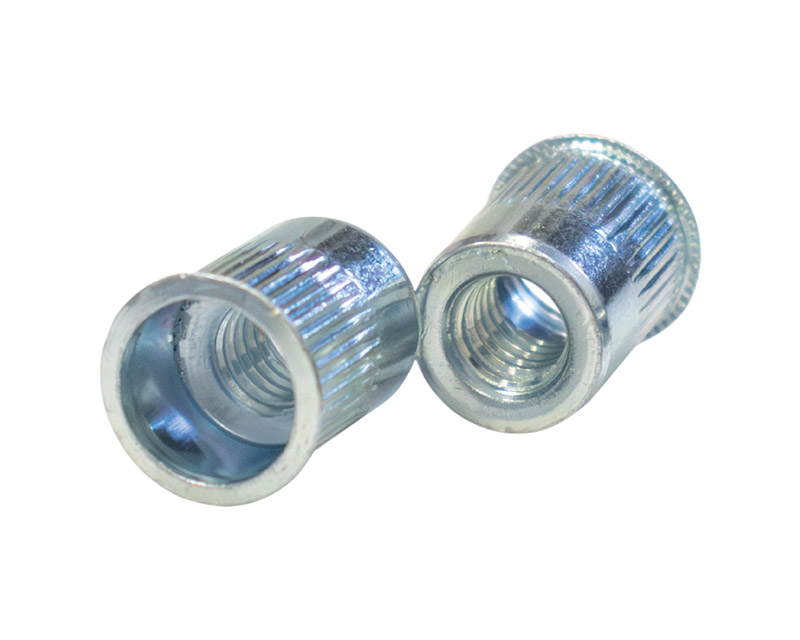
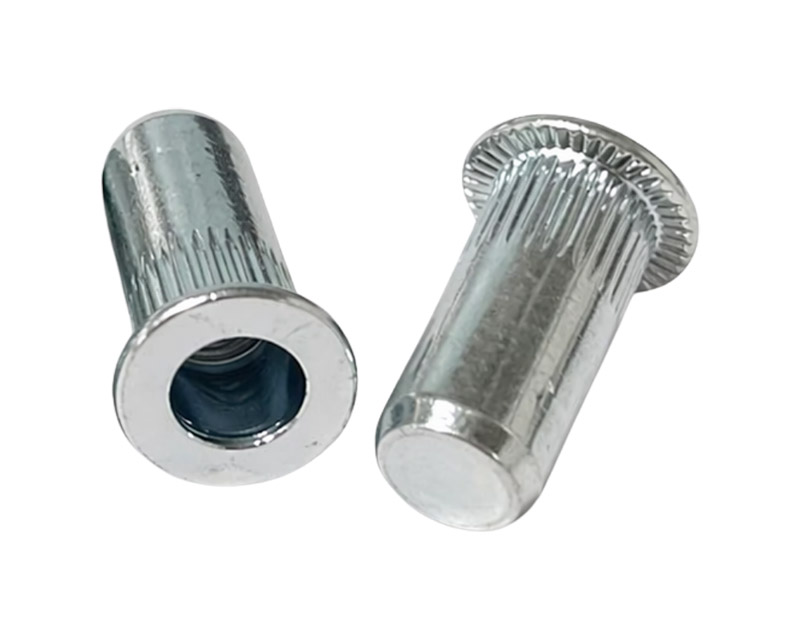
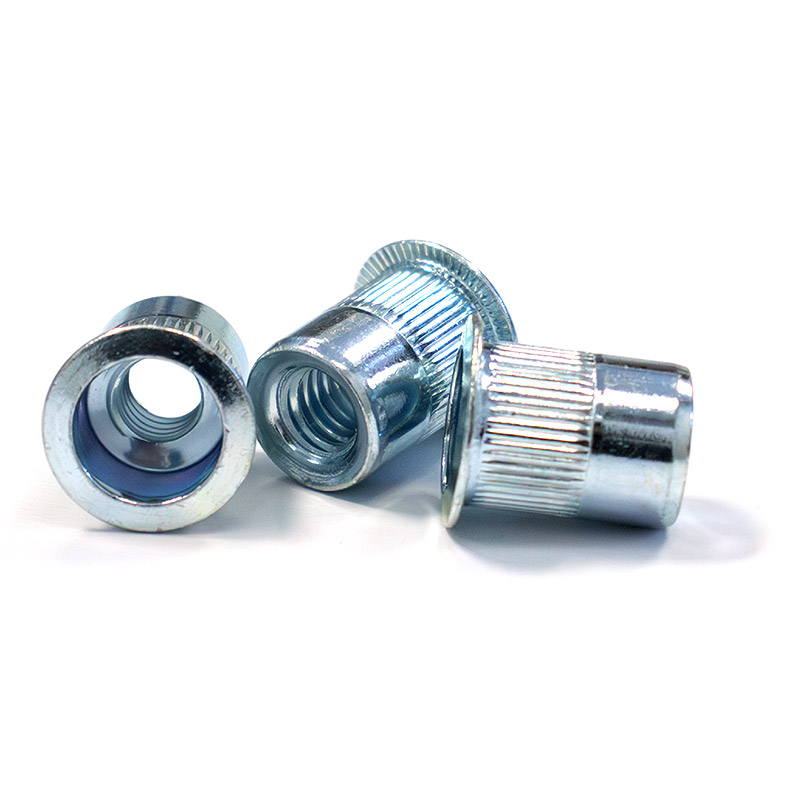
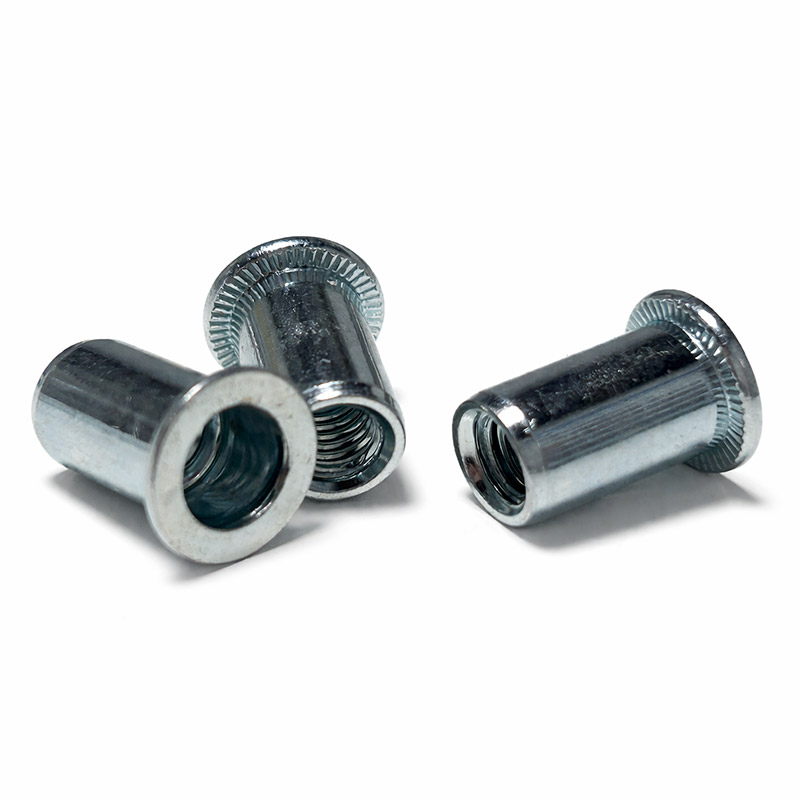
A rivet nut, also called a nutsert or threaded insert, is a blind fastener that adds permanent internal threads to material that is too thin for traditional tapping.

The fastener is placed into a pre-drilled hole and installed using a specialized tool. As it sets, the back side collapses and clamps against the material, creating a secure threaded insert that can accept bolts or screws repeatedly.

Because rivet nuts install from one side only, they’re ideal for enclosed assemblies, tubing, panels, and applications where the back side of the material can’t be reached.
Common Applications

  • Automotive panels and frames
  • Electrical enclosures
  • HVAC systems
  • Sheet metal equipment
  • Furniture and appliance manufacturing
1

Blind Installation

Install from one side of the workpiece when backside access is limited or impossible.

2

Strong Internal Threads

Create reliable threads in thin material that cannot be tapped effectively.

3

Repeatable Assembly

Allow bolts and screws to be installed and removed without wearing out the parent material.

Selection Basics

Start with These Three Decisions

Most rivet nut selection issues come down to matching the thread, the material thickness, and the torque demands of the application.

1. Thread Type

Choose a rivet nut with internal threads that match the final bolt or screw. Common options include metric sizes like M4, M5, and M6, or inch threads such as UNC and UNF.

Starting with the mating fastener spec helps prevent cross-threading, stripping, and compatibility problems.

2. Grip Range

Grip range is the thickness span the rivet nut is designed to clamp once installed.

If the material is too thin, the insert may not expand properly and can spin. If the material is too thick, it may not collapse correctly during installation.

3. Body Length

Body length affects how the insert collapses during installation and is usually tied closely to grip range.

In practice, choosing the right grip range usually gets you to the correct body length as well.

Body Styles

Choose the Right Resistance to Spinning

Body style affects installation requirements, anti-rotation performance, and cost.

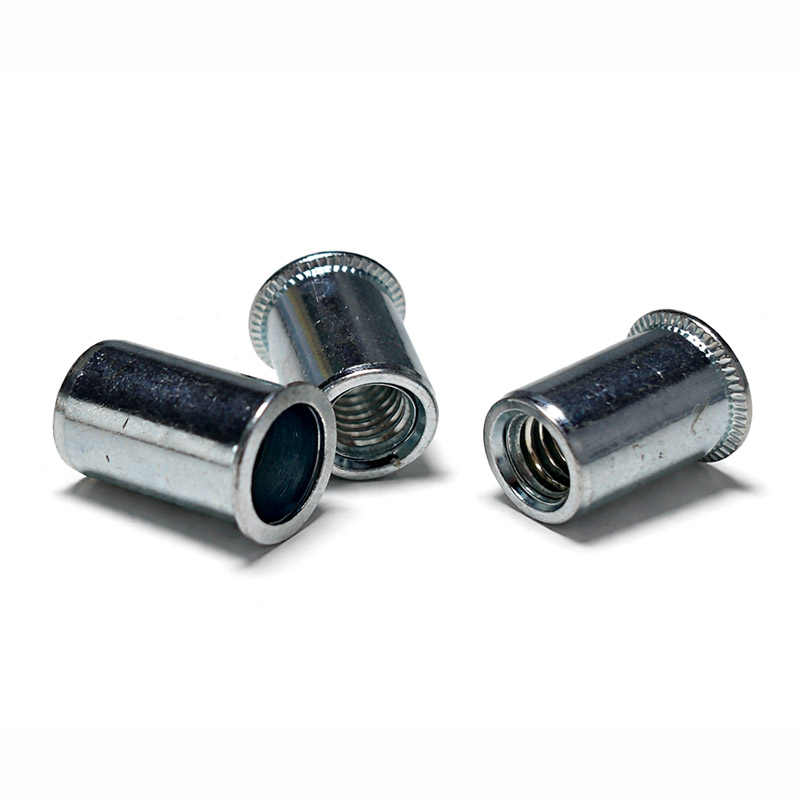
Round Body Rivet Nuts

Round body rivet nuts are the most common general-purpose style. They install into a standard round hole, making them simple to specify and easy to install.

They work well when torque loads are moderate, but may be more likely to spin in very smooth or thin materials than more aggressive anti-rotation designs.


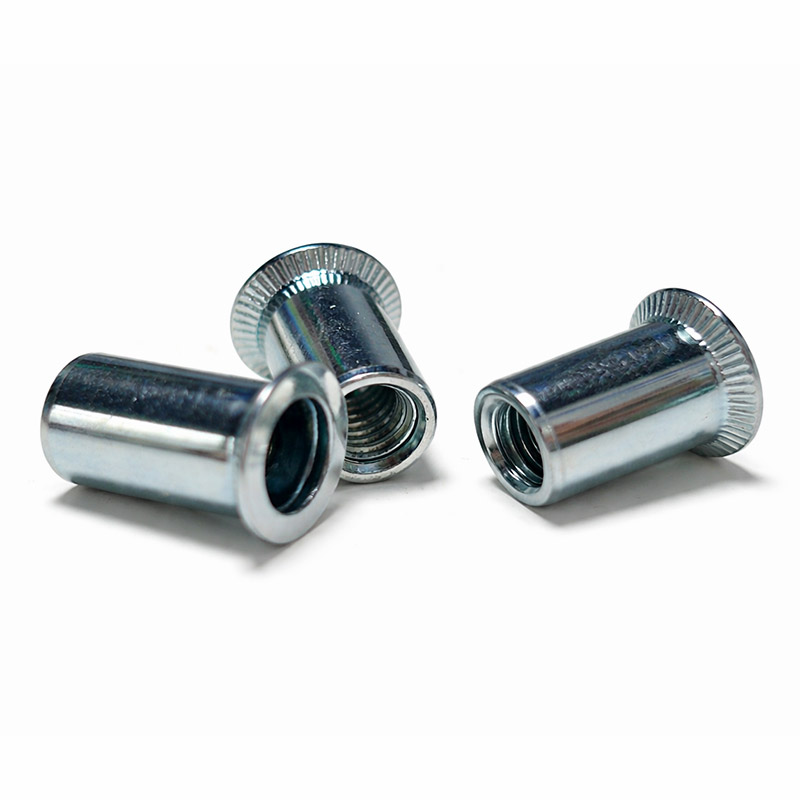
Knurled Body Rivet Nuts

Knurled rivet nuts have serrations on the outer body that bite into surrounding material during installation.

They’re a strong option for softer materials like aluminum or plastic where extra torque resistance helps prevent spinning during assembly or service.


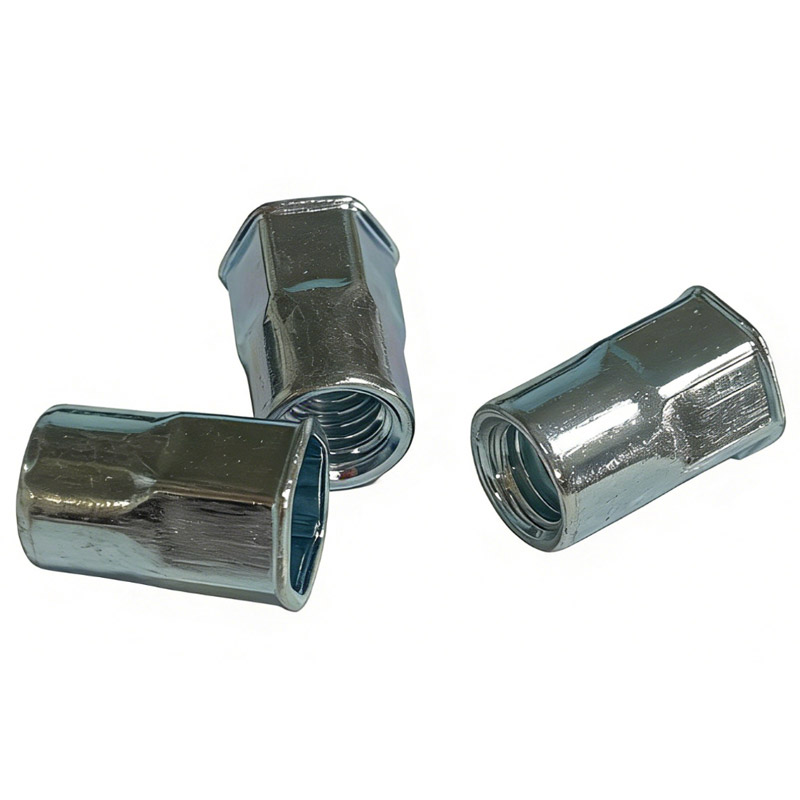
Half Hex Rivet Nuts

Half hex rivet nuts combine a hex upper section with a round lower section.

They lock into a hex hole for better anti-rotation performance while staying easier to install and generally more cost-effective than full hex options.


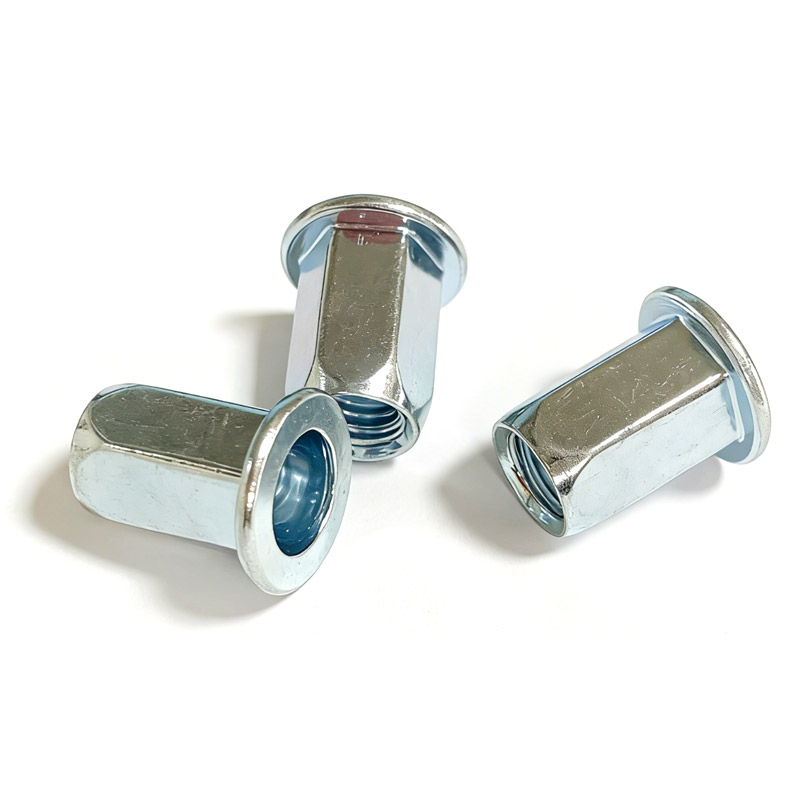
Full Hex Rivet Nuts

Full hex rivet nuts are designed for maximum anti-rotation performance.

Because the entire body engages a hex hole, they resist spinning under high torque and vibration, making them a good fit for demanding assemblies and heavier-duty equipment.

Head Styles

Match the Surface and Load Requirements

Flat Head

Flat head rivet nuts use a wider flange to spread load across the material surface and reduce pull-through risk.

Reduced Head

Reduced head rivet nuts use a smaller flange for tighter spaces and a lower-profile look, with slightly less load distribution than flat head styles.

Countersunk

Countersunk rivet nuts sit flush when installed into a countersunk hole, making them a good fit where the surface needs to stay flat.

End Configuration

Open-End vs Closed-End Rivet Nuts

Open-End

Open-end rivet nuts are threaded through the full body and are the most common option for general fastening applications.

They allow bolts to pass through the full insert length and give you flexibility across a wide range of assemblies.

Closed-End

Closed-end rivet nuts use a sealed bottom to help block liquids, dirt, and debris from passing through the fastener.

They’re useful in automotive panels, outdoor equipment, and electrical enclosures where thread protection and environmental sealing matter.

Quick Comparison

Fast Way to Narrow Your Options

Need Best Starting Point Why
General-purpose installation Round body / flat head Easy hole prep, broad availability, reliable for many standard assemblies
Better torque resistance in softer materials Knurled body External serrations improve grip in aluminum and plastics
Better anti-rotation without full hex cost Half hex body Strong balance of performance, installation ease, and value
Highest torque resistance Full hex body Full engagement in hex hole reduces spinning under load
Flush finished surface Countersunk head Sits level with the material surface after countersinking
Better sealing against contaminants Closed-end design Helps block moisture, dirt, and debris from passing through

Selection Guide

How to Choose the Right Rivet Nut

  1. Start with the thread size that matches your mating fastener. Then confirm the material thickness so you can choose the correct grip range.
  2. From there, select a body style based on the amount of torque resistance your application needs, and pick a head style that fits the surface condition and load requirements.
  3. If the environment involves moisture, debris, or contamination concerns, consider a closed-end design for additional protection.

Need Help Matching a Part?

  • Match thread size to your bolt
  • Check material thickness against grip range
  • Choose the right body style for torque resistance
  • Select the best head style for surface fit

Strong Threads. One-Side Installation. Reliable Performance.

Rivet nuts are a practical way to add durable internal threads to thin materials when traditional nuts or tapped holes aren’t a good fit. With the right thread, grip range, body style, and head style, you can build a more secure and serviceable assembly.